



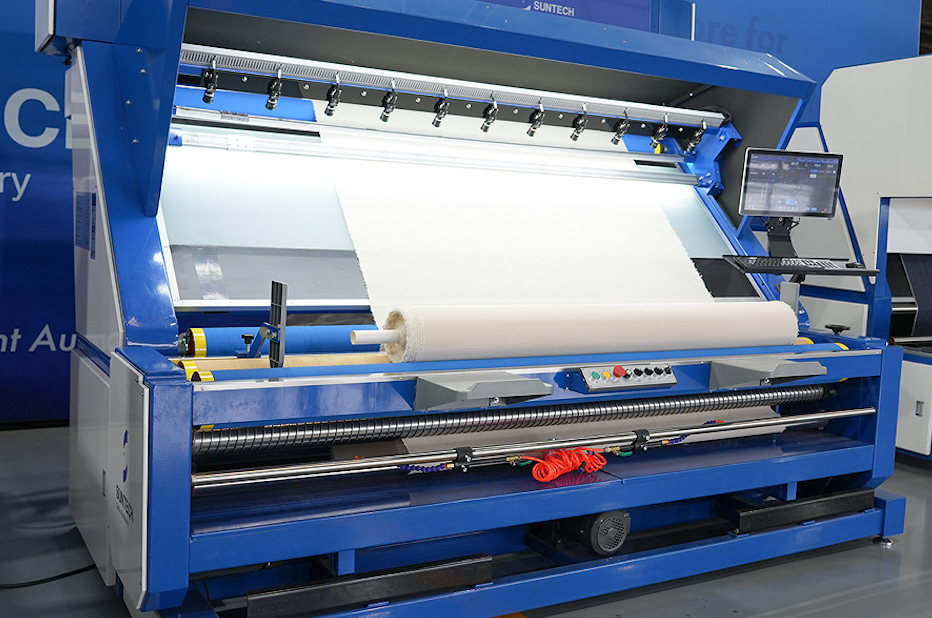
Choosing an AI fabric inspection machine requires more than comparing prices or advertised detection rates. Textile factories work with different fabric structures, widths, colors, and production conditions, so the right equipment must match the materials and inspection tasks involved. Understanding the machine's published specifications, supported applications, and actual inspection requirements can help manufacturers make a more informed purchasing decision.
1. Identify the Fabrics You Need to Inspect
The first step is to define the fabric types used in your production. Knitted fabrics, woven fabrics, denim, and nonwoven materials have different surface characteristics. A machine suitable for one application should not automatically be assumed to deliver the same results with every other material.
Consider the following questions before contacting a supplier:
- Do you mainly produce knitted or woven fabrics?
- Do you need to inspect grey fabric, finished fabric, or both?
- What are your regular fabric widths?
- Are your materials tension-sensitive?
- Which fabric defects are most important to identify?
These details help narrow down the equipment options. For example, factories handling knitted fabrics should pay attention to the fabric inspection process and the machine's suitability for their material.
When evaluating AI knitted fabric inspection, it is particularly important to confirm that the proposed system has been assessed with the actual knitted materials used in your factory.
2. Check the AI Inspection System's Published Specifications
Technical specifications provide an objective starting point when comparing equipment. However, buyers should distinguish between a manufacturer's published specifications and performance under their own production conditions.
SUNTECH's ST-Thinkor is an AI Visual Inspection System designed for textile inspection applications. Its published specifications include:
- Model: ST-Thinkor
- Inspection speed: up to 80 m/min
- Fabric width: 1,800–4,000 mm, customizable according to requirements
- Inspection rate: ≥90%
- Minimum defect size: ≤0.1 mm
- Fabric color: single color, with color-difference detection available
These specifications provide useful reference points when evaluating the best AI fabric inspection machine for a textile factory.
The figures should be understood as the specifications published for the system, not as a guarantee that identical results will be achieved with every fabric type and operating condition. Buyers should discuss their materials and inspection requirements with the supplier before confirming suitability.
3. Understand Which Defects the System Can Identify
Different textile processes can produce different defect categories. The defects relevant to a weaving mill may not be identical to those encountered in knitting, dyeing, or finishing.SUNTECH's ST-Thinkor product information describes applications covering weaving and knitting, as well as grey and finished fabric inspection. Its published defect examples include:
- Broken warp and weft
- Skipped yarn
- Missing needles
- Mismatched patterns
- Uneven tightness
- Color differences and color spots
- Watermarks and uneven dyeing
- Scratches, creases, holes, pilling, and snagging
This information gives buyers a useful starting point for discussing inspection requirements.
When comparing fabric inspection with AI, do not rely only on a general statement that a system can detect fabric defects. Prepare a list of the defects that matter most to your factory and ask the supplier to confirm which ones are covered by the proposed solution.You can review the best AI fabric inspection machine to see the published ST-Thinkor product information.
4. Match Inspection Speed and Fabric Width to Your Production
Inspection speed and fabric width are two practical factors that should be checked before purchasing equipment.For example, ST-Thinkor has a published maximum inspection speed of up to 80 m/min and a fabric width range of 1,800–4,000 mm, with customization available according to requirements.
A factory should compare these specifications with its own production materials and operating conditions. Maximum speed alone does not determine whether a machine is suitable. The relevant question is whether the proposed configuration can handle the fabrics and inspection requirements involved in the actual project.
Fabric handling equipment also matters. For knitted materials, buyers may need to consider how the fabric is fed, inspected, and rewound.SUNTECH's knitted fabric inspection machine is a separate equipment option with published features including tensionless checking, full-width fabric inspection, and different fabric input and output presentations. It should not be confused with the AI inspection specifications of ST-Thinkor.
5. Consider Defect Mapping and Inspection Information
An inspection system can be evaluated not only by the defects it identifies but also by the information it provides after inspection.SUNTECH's ST-Thinkor product information lists automatic defect mapping, defect positioning, reporting, and traceability among its features. These functions are relevant to textile manufacturers who need to review detected defects and their positions.
For AI fabric inspection for textile quality control, it is useful to understand what inspection information is available and how it relates to the factory's existing quality procedures.Before purchasing, ask the supplier to demonstrate the published functions using representative fabric samples. Confirm the type of defect information displayed and whether it matches the requirements of your quality team.
6. Evaluate the Total AI Fabric Inspection Cost
The purchase price is an important part of equipment selection, but it should not be the only consideration.When comparing AI fabric inspection cost, manufacturers should first confirm which machine configuration is included in each quotation. Different fabric widths, equipment arrangements, and project requirements may affect the proposed solution.
A practical quotation review should clarify:
- The machine model and configuration
- Supported fabric width
- Inspection speed specifications
- Included inspection functions
- Optional equipment or customization
- Installation and other project requirements stated in the quotation
Avoid comparing two prices without checking whether the equipment configurations and included items are equivalent.The most suitable investment is the one that meets the factory's actual inspection requirements. A lower initial price may not represent better value if the proposed configuration does not match the materials or production process.
7. Confirm Suitability with Your Own Fabric Samples
Published specifications are useful, but your factory's materials should remain central to the purchasing decision.
Before confirming an order, discuss a sample evaluation with the supplier. Select fabrics that represent the main materials handled by your factory, including examples of the defect types you want to identify.
During the evaluation, discuss:
- Whether the fabric type is within the system's stated application range
- Which defect categories can be demonstrated
- Whether the fabric width matches the proposed configuration
- Whether the required inspection speed is appropriate
- How the system presents detected defects and inspection information
This process helps both parties clarify the intended application before the equipment configuration is finalized.
8. Compare the Available Fabric Inspection Equipment
AI visual inspection is one part of the wider fabric inspection equipment market. Some factories may also need conventional inspection, measuring, rolling, or fabric handling equipment as part of their production process.
SUNTECH's fabric inspection machine includes equipment for different fabric inspection applications. Reviewing the available models can help manufacturers understand the differences between equipment designed for different materials and workflows.For a broader view of AI-based textile inspection products, the AI fabric inspection for textile quality control collection presents SUNTECH Vision's inspection solutions for different fabric applications.
9. Make the Decision Based on Application Requirements
The best AI inspection machine is not necessarily the one with the largest number of advertised features. It is the one whose published specifications and demonstrated capabilities match the factory's actual materials and inspection requirements.
Before making a final decision, compare fabric compatibility, inspection speed, supported width, defect categories, and available inspection information. Confirm any application-specific requirements directly with the supplier.A careful evaluation helps textile manufacturers select equipment based on verifiable information rather than assumptions, creating a more suitable foundation for fabric inspection and quality control.