
In textile manufacturing, every centimeter of wasted fabric represents a direct hit to your profit margins. Traditionally, defects are often caught too late—frequently at the end of a production run or, worse, by the customer. However, the rise of AI-Powered Fabric Inspection is changing the game, allowing mills to minimize waste through early detection and precision data.

Catching Defects at the Source

The most effective way to reduce waste is to stop the machine the moment an error occurs. When a standard fabric inspection machine is operated manually, a "continuous defect" (like a broken needle or a blocked nozzle) might go unnoticed for hundreds of meters.

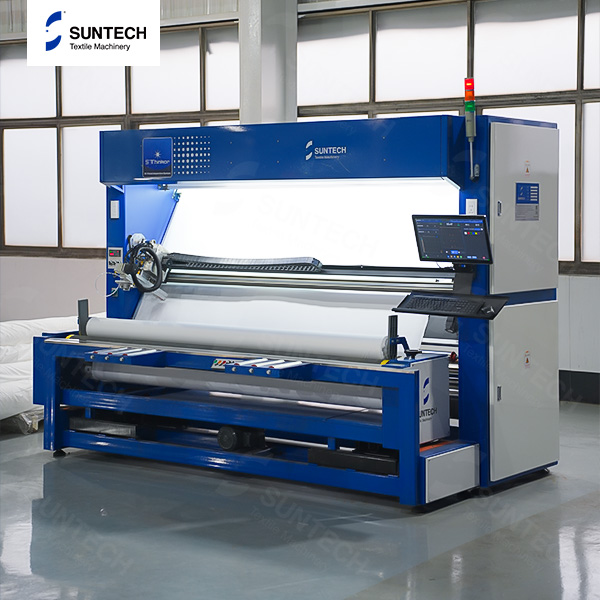
By integrating an AI fabric inspection system, factories can implement Real-time defect detection. The system identifies repetitive patterns of error instantly and alerts the operator or automatically pauses the line. By catching a "running flaw" after only 1 meter instead of 100 meters, the waste reduction is immediate and measurable.

Precision Grading with High-Speed Line Scan Cameras


Not all defects require the entire roll to be scrapped. The ability to distinguish between a minor cosmetic blemish and a structural flaw is essential for maximizing yield.

Utilizing high-speed line scan cameras, the AI analyzes the fabric surface with microscopic detail. This high-resolution AI fabric detection allows the system to accurately grade the fabric. Instead of discarding a whole roll due to uncertainty, managers can use the digital defect map to harvest the maximum amount of "Grade A" fabric, significantly reducing unnecessary scrap.

Optimizing the AI Fabric Inspection Cost through Efficiency


While some manufacturers worry about the initial investment, they should consider the AI fabric inspection cost in the context of "Resource Efficiency."

  • Raw Material Savings: Less wasted fabric means you get more sellable product from the same amount of raw yarn.
  • Energy and Labor: Re-running a production line because of a quality failure doubles your energy and labor costs. Automated textile quality control ensures the job is done right the first time.

Data-Driven Process Improvement


A comprehensive AI textile inspection solution does more than just find holes; it collects data. By analyzing the types of defects occurring, production managers can identify which specific loom or batch of yarn is causing issues. This "root cause analysis" prevents future waste from happening, shifting the factory from a reactive to a proactive quality culture.

Summary of Waste Reduction Benefits

  • Immediate Intervention: Stops continuous defects before they ruin entire rolls.
  • Accurate Cutting: Provides a precise map for cutting around defects to save usable fabric.
  • Reduced Returns: Eliminates the waste associated with shipping, returning, and disposing of rejected goods.
  • Process Optimization: Uses AI data to fix mechanical issues on the production floor early.

Conclusion


Reducing waste is no longer just about sustainability; it is about survival in a high-cost market. Transitioning to an AI fabric inspection system allows textile mills to protect their materials, their reputation, and their profits. In the modern factory, AI isn't just an "inspector"—it’s a guardian of your resources.