



Choosing an AI fabric inspection machine is a long-term investment. Comparing manufacturers only by machine price can overlook important differences in inspection performance, AI technology, fabric compatibility, integration, service, and operating cost.
For textile mills, the right supplier should provide more than a machine. The goal is to find an AI fabric inspection machine manufacturer that can deliver reliable quality inspection, stable production performance, and long-term support.
Price Is Important, But It Is Not the Whole Picture
The initial machine price is often one of the first things buyers compare. However, it should not be the only factor behind a purchasing decision.
The real cost of an inspection system also includes installation, maintenance, spare parts, software, downtime, labor, and fabric waste. A machine with a higher initial investment may provide better long-term value if it improves inspection efficiency, reduces manual work, and helps identify defects earlier.
This is why textile manufacturers should look at Total Cost of Ownership (TCO) rather than comparing quotations line by line.
What Really Matters When Comparing Manufacturers
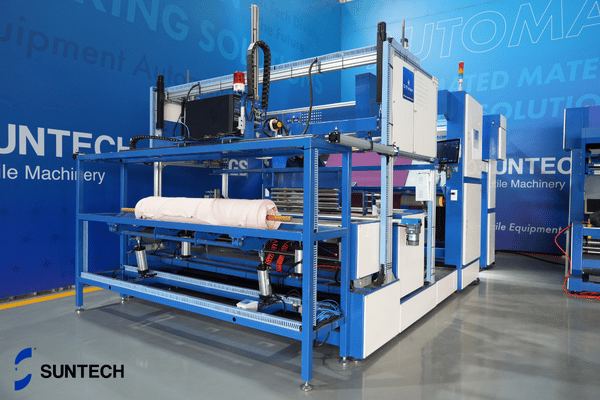
The first thing to look at is textile industry experience. A manufacturer may have strong machine vision technology, but practical textile experience is equally important. Different fabrics, production speeds, lighting conditions, fabric tension, and defect types can all affect inspection results.
Ask whether the manufacturer has experience with fabric types and production environments similar to yours. Existing installations and customer references can also provide useful evidence of real-world performance.
Technology is another key consideration. A modern automated fabric inspection system may combine machine vision cameras, image processing, AI algorithms, and deep learning to identify and classify fabric defects in real time.
However, simply claiming to use AI is not enough. When comparing systems, ask how the AI model handles different fabric backgrounds, subtle defects, false alarms, and changes in production conditions.
Most importantly, look beyond the word “accuracy.” A useful comparison should consider detection rate, missed defects, false alarms, small defect detection, and defect classification.
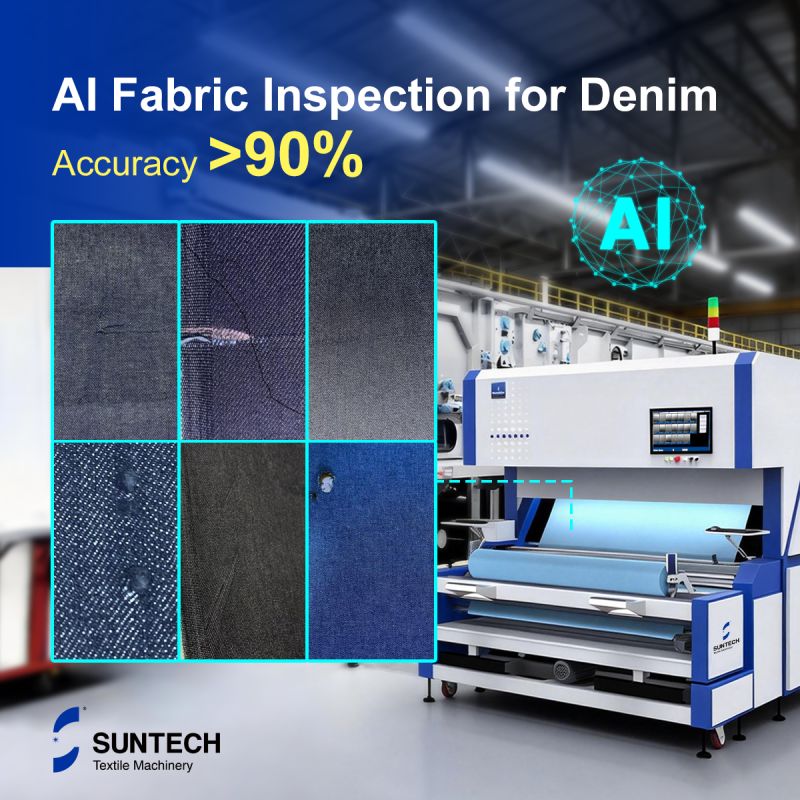
A system that performs well on obvious holes may not perform equally well on stains, broken yarns, oil marks, or texture-related defects. For this reason, actual testing is much more meaningful than a specification sheet.
Make Sure the Machine Fits Your Production
Inspection speed and fabric compatibility should be evaluated according to your actual production requirements.
Consider the fabric width, inspection speed, roll size, continuous operation, and expected production capacity. A high-speed machine is only valuable if it can maintain reliable inspection performance at the speed your mill actually needs.
Fabric compatibility is equally important. Depending on your business, you may need to inspect woven fabrics, knitted fabrics, denim, synthetic fabrics, nonwovens, or technical textiles.
Software should also be part of the evaluation. Useful functions may include automatic defect classification, defect databases, inspection reports, production data, and quality analytics.
Good software does more than display defects. It helps operators understand inspection results and gives production managers useful information for quality control.
Integration is another factor that is easy to overlook. If the inspection system needs to work with existing textile machinery or a broader production workflow, ask about hardware and software customization, connectivity, and future expansion.
Do Not Choose a Manufacturer Without Seeing the Machine Work
A live demonstration is one of the best ways to compare AI fabric inspection machine manufacturers.
If possible, provide your own fabric samples and known defect samples. This gives you a much clearer picture of how the system performs on the materials you actually produce.
During a demonstration, pay attention to:
- How well the system detects small and difficult defects
- Whether false alarms are excessive
- How defects are classified and displayed
- Whether performance remains stable at production speed
- How easy the software is for operators to use
It is also worth testing several fabric types if your mill handles different materials.
A successful demonstration should answer a simple question:
Can this system reliably solve our actual inspection problems?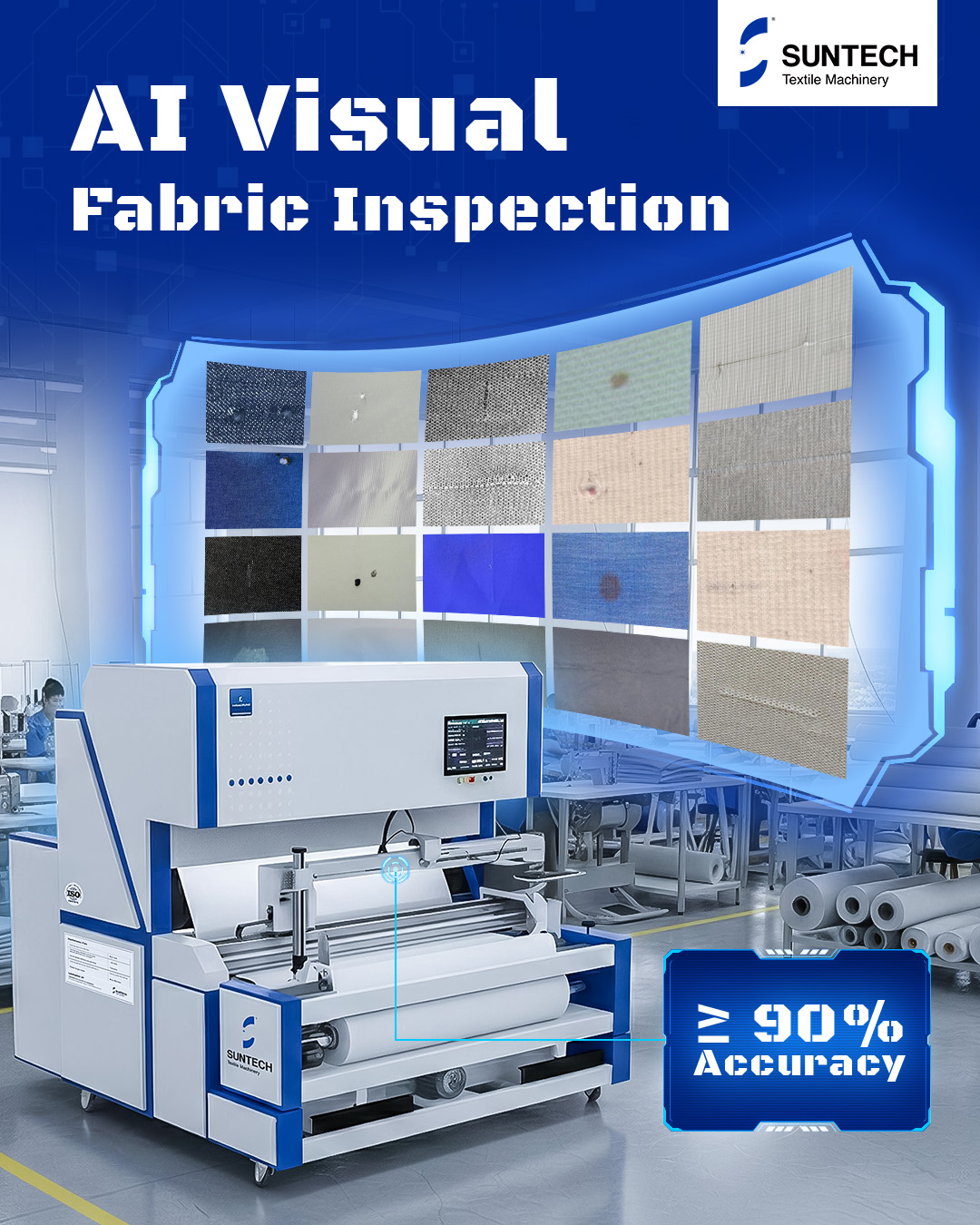
Service, Customer References and Long-Term Value
An AI inspection system is not a one-time purchase. Installation, training, maintenance, spare parts, software updates, and technical support can all affect the long-term value of the investment.
Before making a decision, ask what support the manufacturer provides after installation and how technical issues are handled. Remote support can be useful for reducing downtime, while reliable spare parts and software updates help maintain system performance over time.
Customer references are also valuable. If possible, look for textile mills using the system with similar fabrics and production requirements.
Ultimately, the best manufacturer is not necessarily the one offering the lowest quotation. It is the one that provides the right balance of technology, production performance, service, and long-term return.
Why SUNTECH Can Be Your AI Fabric Inspection Solution Partner
Suntech combines textile machinery experience with intelligent inspection technology to support modern fabric production.
Its approach focuses on AI-powered visual inspection fabric defect detection, production integration, customization, and technical support. Rather than treating inspection as an isolated process, SUNTECH aims to help textile manufacturers build a more consistent and efficient quality control workflow.
For textile mills looking beyond a single inspection machine, SUNTECH can also provide broader intelligent inspection and packing solutions designed around production requirements.
Final Checklist Before Choosing an AI Fabric Inspection Machine Manufacturer
Before making the final decision, make sure you have evaluated:
- Textile industry experience
- AI and machine vision technology
- Defect detection performance
- Inspection speed and fabric compatibility
- Software and reporting capabilities
- Production-line integration
- Customization options
- Installation and after-sales support
- Customer references
- Total cost of ownership and expected ROI
When comparing AI fabric inspection machine manufacturers, do not ask only:
“How much does the machine cost?”
A better question is:
“Can this manufacturer provide a reliable, scalable, and cost-effective inspection solution for my textile mill?”
That shift in perspective can help you choose a system that delivers value not only on the day of installation, but throughout its operating life.